At Wimbledon Chiropractic & Sports Injury Clinic, maintaining adequate energy levels through proper nutrition is a priority, especially when managing dietary iron intake—both heme and non-heme.
Understanding Iron and Its Importance
Iron is crucial in producing haemoglobin, which carries oxygen to tissues. Iron is found in two primary forms:
- Heme iron: Predominantly in animal products, absorbed at 15-35%.
- Non-heme iron is found in plant sources and is absorbed at 2-20%.
Of course, with the absorvtion been so low for plant sources this is a challenge for vegans in particalr. This challenge isn't always identified by people who choose to follow this diet as readily as, say, B12 deficiencies, which are better-known issues with the vegan lifestyle.
Now we know that there is a challenge with the amount of iron absorbed from plants, it's good to factor in how much iron we actually need.
What is the Recommended Daily Allowance (RDA) of Iron
The RDA for iron varies by age, sex, and physiological status:
- Men aged 19-50: 8 mg/day
- Women aged 19-50: 18 mg/day (more than double dose of men due to menstrual losses)
- Pregnant women: 27 mg/day (iron for 2)
- Lactating women: 9-10 mg/day (because of the expectation that there will be no menstrual losses during the first 6 months postpartum)
- Older adults (51+): 8 mg/day for both genders, as menstruation stops, it becomes a level playing field.
For vegetarians or those consuming mostly non-heme iron, achieving the RDA can be challenging because of lower absorption rates, which require significantly higher intake.

Different Challenges for Vegetarians and Vegans
A 2006 study by Timothy J. Key et al. highlighted that vegetarian and vegan diets are often low in vitamin B12 and iron. This indicates the need for careful dietary planning to prevent deficiencies.
But more importantly, you noticed that the vegan diet is devoid of heme iron. This means that if the individual is a poor absorber of mineral iron or suffers from constipation, they may become very iron-deficient when coupled with the complexities of eating a large volume of non-heme iron sources.
Enhancing Iron Absorption
Enhancing non-heme iron absorption is vital for vegetarians and vegans:
- Vitamin C: Significantly increases iron absorption when consumed with iron-rich meals.
- Iron Inhibitors: It's beneficial to manage calcium intake and certain polyphenols separately from iron-rich meals to avoid absorption interference.
Signs of Poor Iron Absorption and Deficiency Management
Issues such as constipation after consuming iron-rich foods may indicate poor iron absorption, suggesting a need for iron intake above the RDA to address deficiencies.
Adequate Non-Heme Iron Intake
The substantial quantities needed to meet the lower absorption of non-heme iron include:
- Spinach: About 3.33 kg (6.5 large bags) to provide 90 mg of iron.
- Lentils: Approximately 2.72 kg to achieve 90 mg of iron.
- Fortified cereals (e.g cherios): Roughly 2 kg to meet 90 mg of iron.
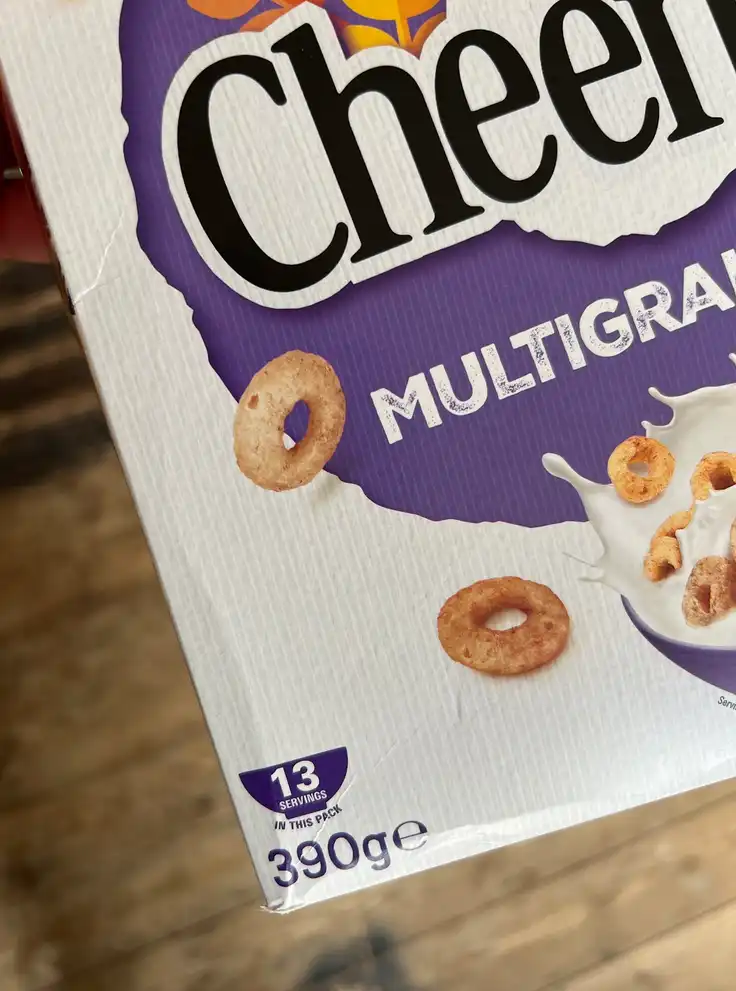
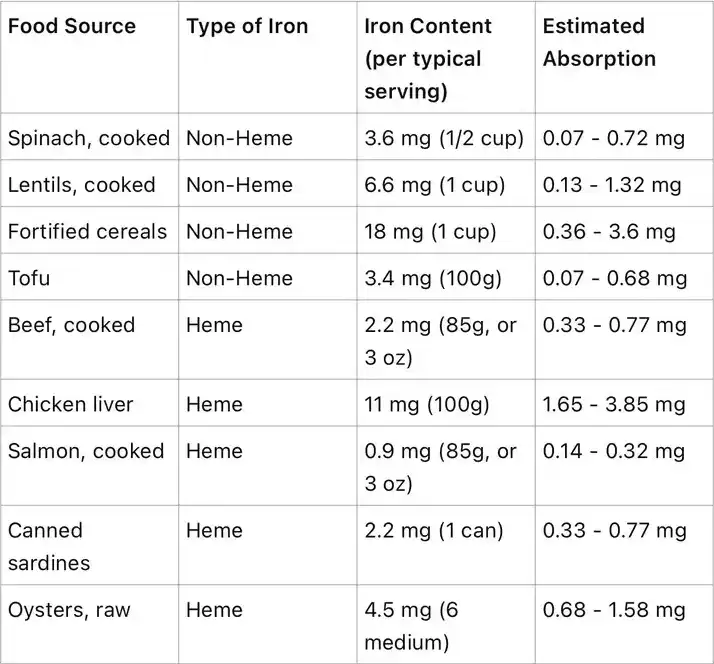
Iron Content, Typical Serving Sizes, and Estimated Absorption
Here’s an expanded table including both heme (animal-based) and non-heme (plant-based) iron sources to illustrate the variety of dietary options and their absorption potential:
Conclusion


Understanding and managing iron intake—especially in vegetarian and vegan diets—is critical for maintaining optimal health, energy levels, and recovery capabilities.
At Wimbledon Chiropractic & Sports Injury Clinic, we provide detailed guidance on dietary iron, focusing on maximising absorption and managing intake effectively. The insights from the 2006 study by Timothy J. Key et al. underpin our approach to nutritional counselling, ensuring our patients receive comprehensive care tailored to their dietary needs. This helps the muscle and bone recovery and increases their capacity to heal.
It's our hope that this article helps you heal faster or improve your daily performance in whatever you love, whether it's sports, work, or family/ friendships.